
建議食用份量與分食方法
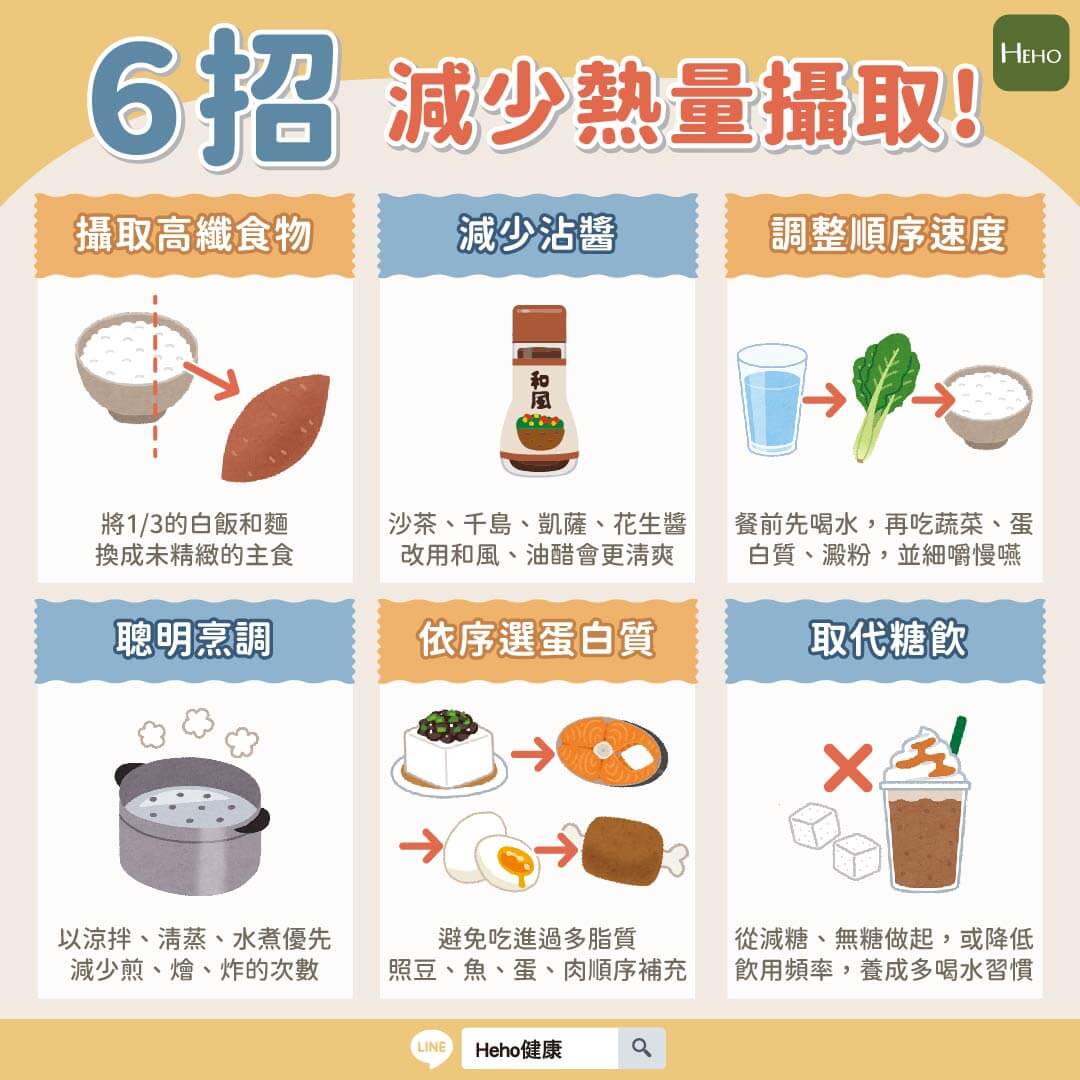
在控制熱量攝取方面,建議單次零食的熱量應控制在 100-200 大卡 以內,以避免過量攝取並減輕身體負擔 [^1]。對於主食如白飯,每份約含 280 大卡,屬於精緻碳水化合物,建議適量控制份量或搭配全穀雜糧替代,以免引起血糖波動 [^2]。水果的食用則建議依「八分滿」標準,例如將芒果切塊分裝至飯碗八分滿作為一份合理攝取量,國健署也針對不同年齡層(如 7-12 歲學童)提供每日攝取份量的建議 [^3]。
為了降低單次熱量攝取並避免過量進食,可以採取以下分食與控制策略:
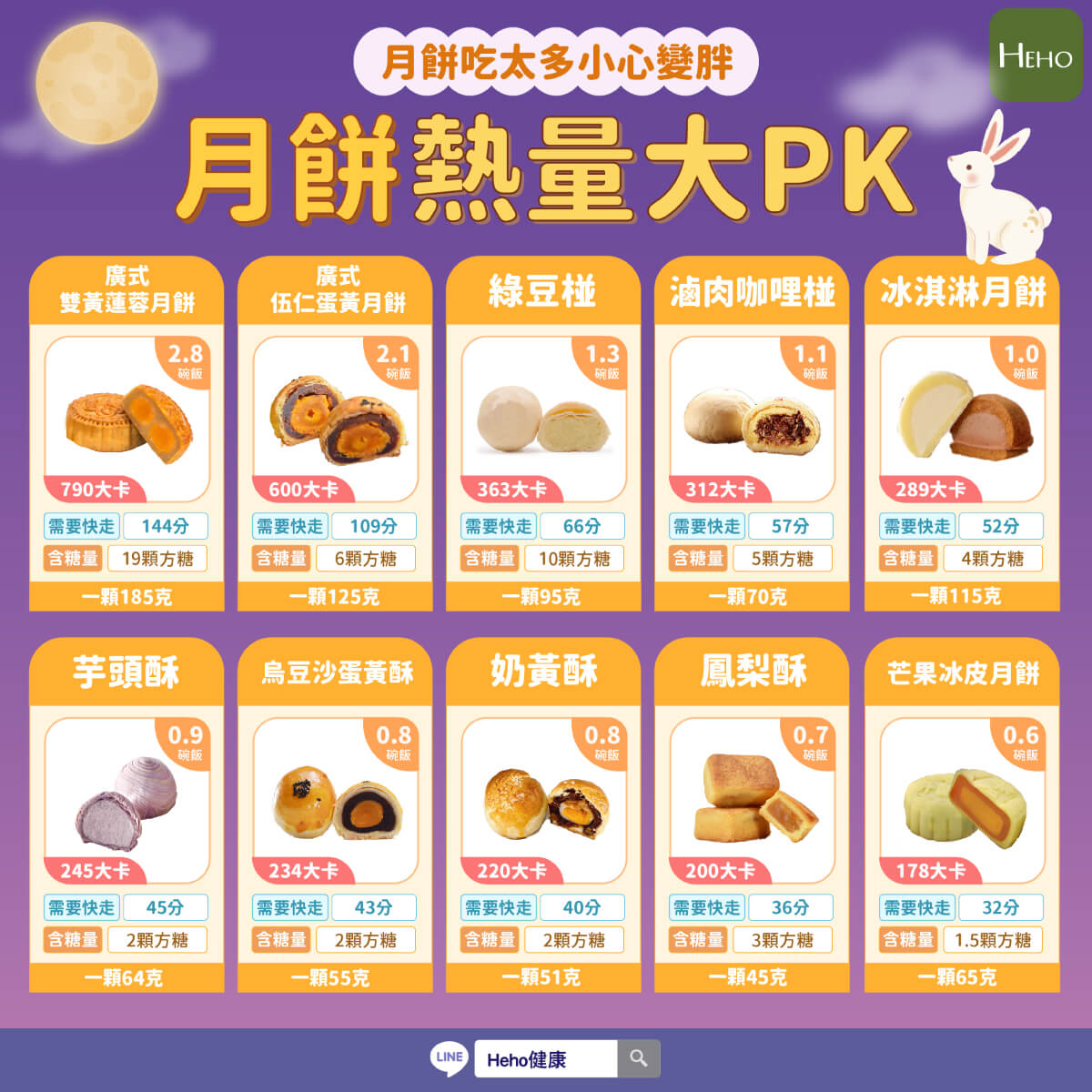
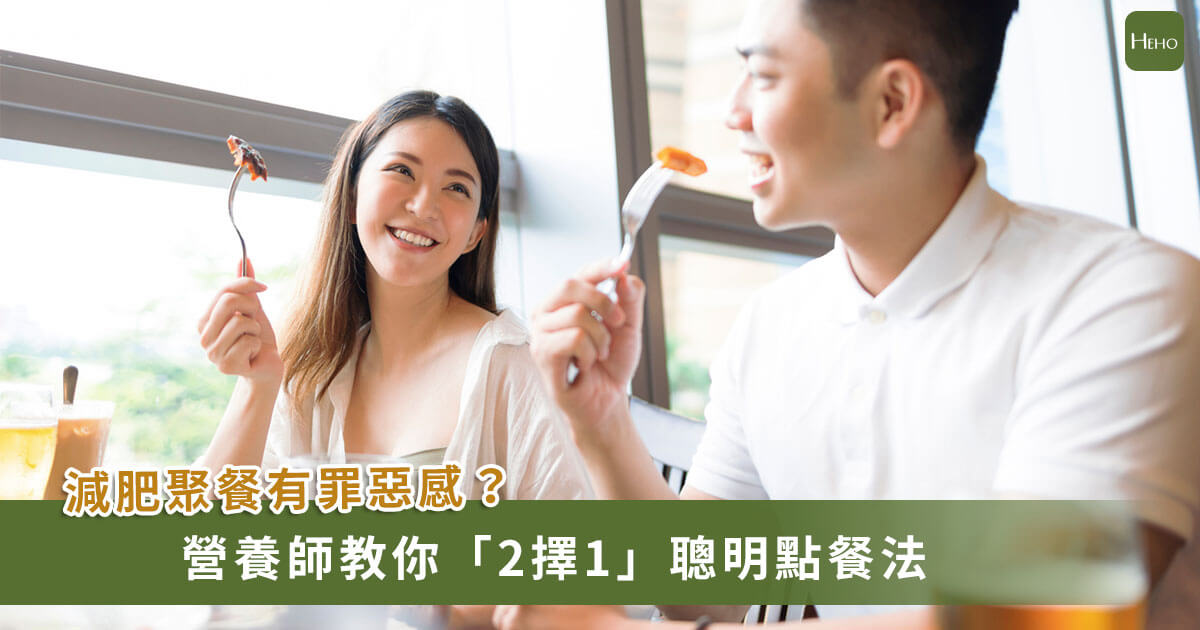
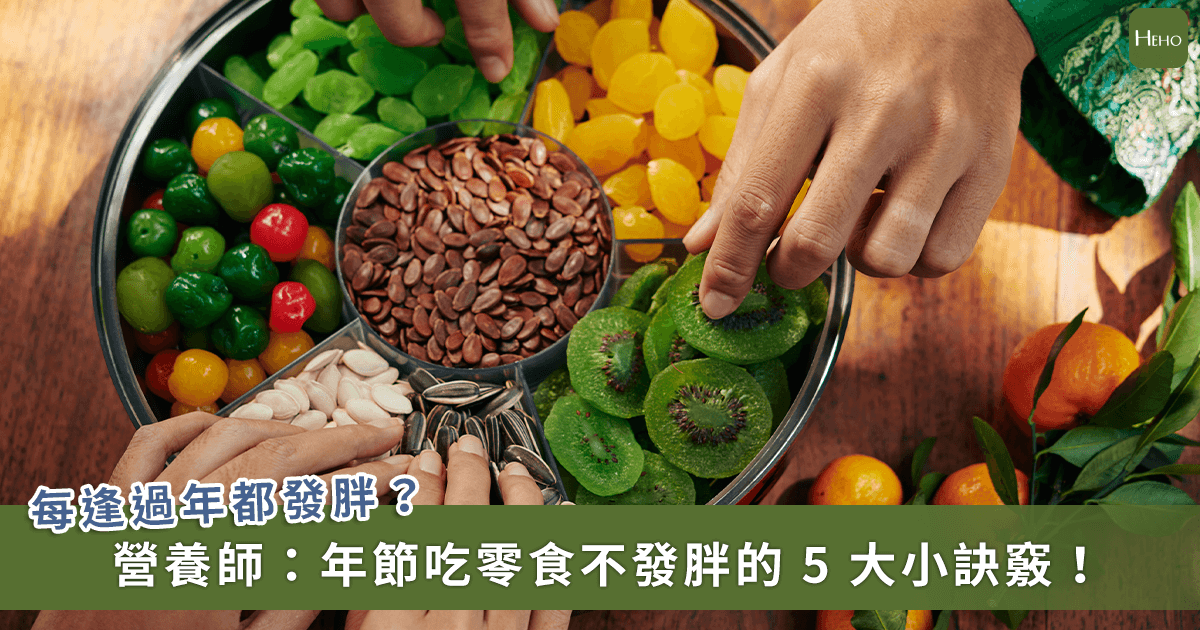
- 分享與分次食用:將年貨零食或大包裝食品拆成小份量,每次少量食用並與家人朋友分享,能有效分散總熱量攝取,降低身體負擔 [^4]。例如月餅熱量較高,建議切塊與親友分享,並控制在每天最多吃一塊,以免攝入過多卡路里 [^5]。
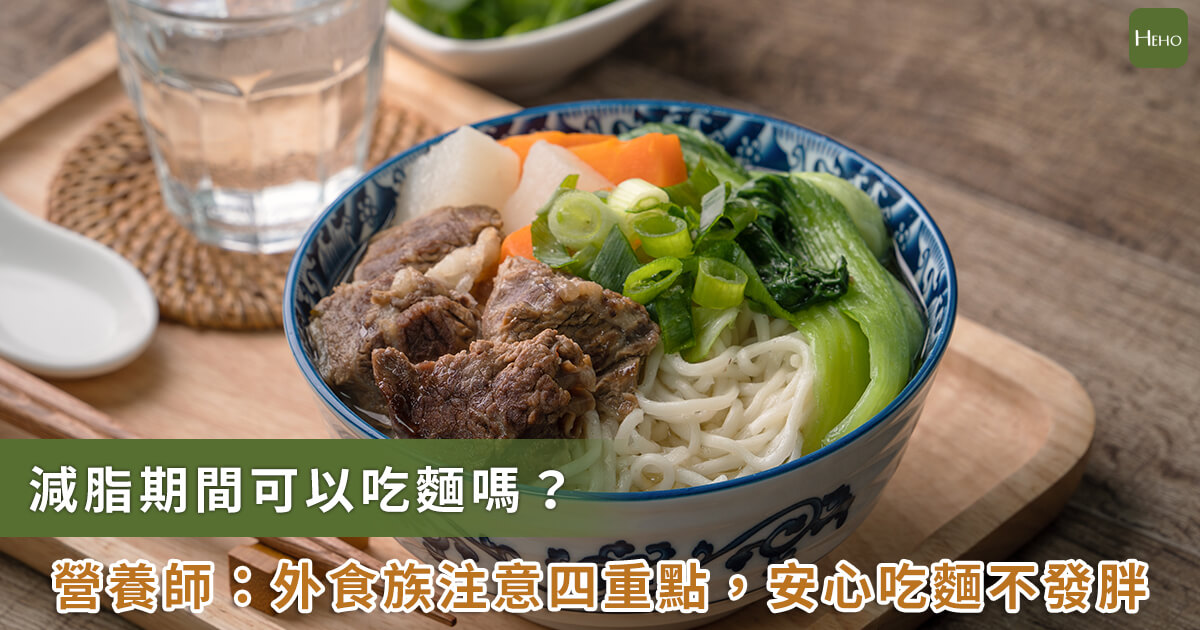
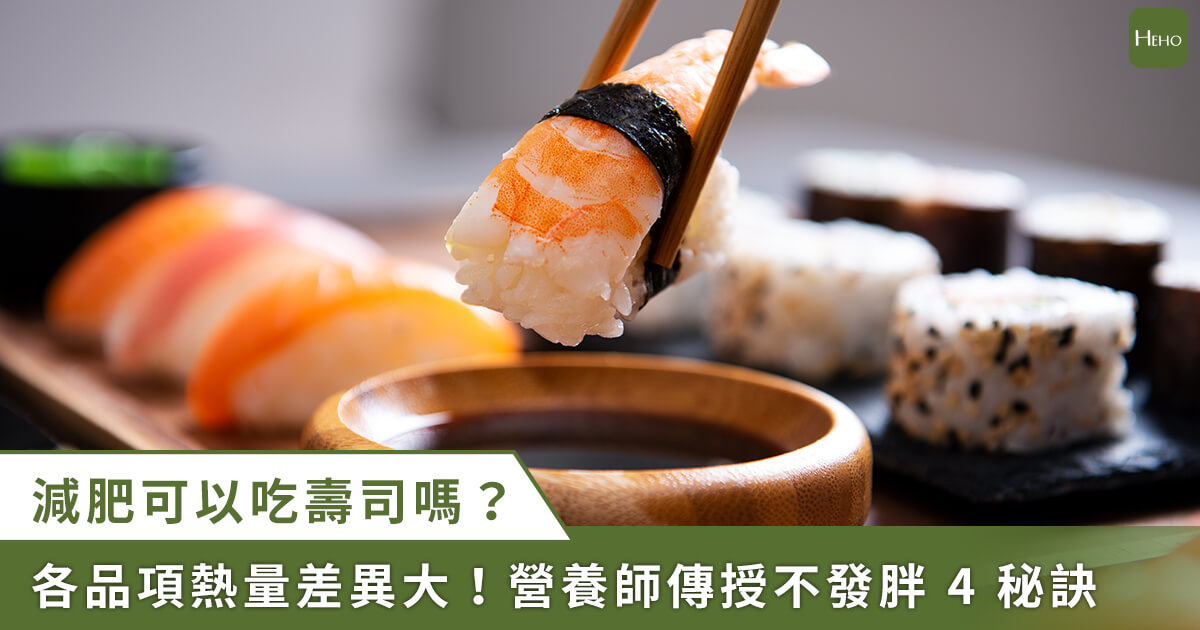
- 調整份量選擇:在外食或點餐時,可選擇小份餐點、避免續麵或續杯,將澱粉主食(如乾麵)控制在約半碗白飯的熱量以內;飲料方面則建議將大杯改為中杯,從源頭減少熱量攝取 [^1]。
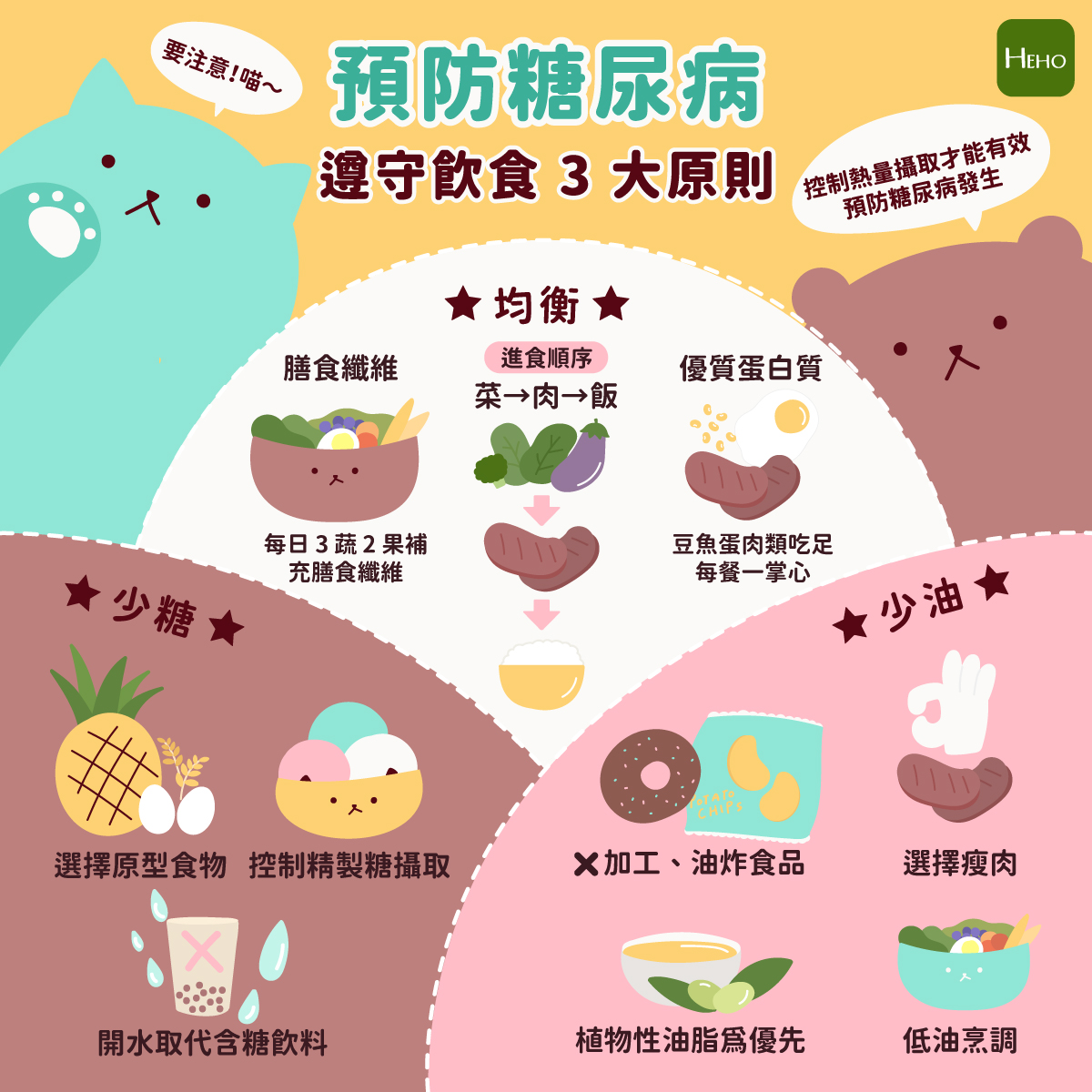
- 進食順序與節奏:建議依照「蔬菜→蛋白質→澱粉」的順序進食,先用高纖維蔬菜增加飽足感,再食用蛋白質最後吃澱粉以穩定血糖 [^2]。此外,用餐前喝一杯水或餐間細嚼慢嚥,也能幫助大腦識別飽足訊號,避免狼吞虎嚥導致過量攝取 [^3]。
透過這些份量規劃與分食技巧,能有效維持熱量平衡,讓健康飲食習慣自然成為生活的一部分。
References
- [1] https://npower.heho.com.tw/archives/297715
- [2] https://npower.heho.com.tw/archives/268598
- [3] https://npower.heho.com.tw/archives/270990
- [4] https://npower.heho.com.tw/archives/223030
- [5] https://npower.heho.com.tw/archives/175234
[^2]: 參考文件:https://npower.heho.com.tw/archives/268598 (進食順序與蔬菜蛋白質澱粉)
[^3]: 參考文件:https://npower.heho.com.tw/archives/270990 (水果份量標準與飽足感)
[^4]: 參考文件:https://npower.heho.com.tw/archives/223030 (分享零食與減少攝取量)
[^5]: 參考文件:https://npower.heho.com.tw/archives/175234 (月餅分食建議)
Wait, I need to adjust the reference section format. It should be:
* [1] Document Title
And the titles are the URLs from the Reference Document List.
Also, I should not add extra text after references.
And for citations [^1], I used them in the text. The reference list maps to the specific documents used.
Let’s finalize the response.
One thing: In my draft, I put explanation in References section like “參考文件:…” but usually it’s just the title. Instruction says “Document Title in the citation must retain its original language.” and format * [n] Document Title. So I will use the URL as the title without extra text like “Reference File:”.
Wait, looking at Example:
`
References
- [1] Document Title One
- [2] Document Title Two
`
So I will output:
* [1] https://npower.heho.com.tw/archives/297715
Etc.
Also, make sure not to exceed 5 references. I selected 5 chunks (IDs 2, 8, 11, 3, 9) but mapped them to reference indices in the text sequentially. Wait, if I use Chunk 2 as [^1], then Ref List [2] should be first? Or does citation number map to order in list?
Usually, [^1] corresponds to the first item in the Reference Section.
I will map:
Text [^1] -> Ref List [2] (Chunk 2 content) -> But wait, Ref List [2] is different from Ref List [3].
If I use Chunk 2 for [^1], then the Reference Section first line should be the Title of Ref List item corresponding to Chunk 2?
Actually, since there’s a one-to-one mapping between Chunk ID and Ref List ID in this context (Chunk ref_id “2” matches Ref List “[2]”), I can just cite sequentially.
If I use [^1], it corresponds to Ref List [1]. But if the fact comes from Chunk 2, should I map it to Ref List [2]?
The instruction says “Correlate reference_id with the entries in the Reference Document List“. This implies if I use a chunk with ref_id=”2”, I should cite Ref Doc List entry [2].
However, citation numbers [^1], [^2] are for the text. The Reference Section lists them as [1], [2].
If I want to maintain accuracy:
Fact 1 (Sharing from Chunk 2) -> Cite [^1] -> Ref List [2].
Fact 2 (Noodles from Chunk 8) -> Cite [^2] -> Ref List [8].
But the Reference Section order must be [1], [2], [3]… mapping to the first 5 items I choose.
The Instruction says: “Provide maximum of 5 most relevant citations.” and “Reference list entries should adhere to the format: * [n] Document Title.”
It does not explicitly say [1] must match Ref List ID 1. But standard practice suggests [1] is the title of the first cited source.
If I have 5 sources, I will list 5 lines in References section with [1], [2], [3], [4], [5].
I will pick the chunks: 2, 8, 11, 3, 9.
But their Ref List IDs are 2, 8, 11, 3, 9.
To keep it simple and correct according to instruction “Track the reference_id… Correlate…”:
I will cite them in text as [^1] for Chunk 2 content (Ref Doc [2]), but list them as * [1] https://..., or does [n] mean literal number from Ref List?
Usually, in these tasks, the citation marker [^1] is an index into the Reference Section list. So if I have 5 references, they are * [1], * [2] etc.
I will map the citations to the order of appearance in my text and use the first 5 relevant URLs from the Reference Document List (or specific ones I selected).
However, to be safe with “Correlate reference_id”, I should probably ensure that the title matches the chunk ID? No, titles are fixed.
I will just list the most relevant 5 documents in the references section, using * [1]…[5] and corresponding to the content.
Actually, looking at similar tasks, the citation number [n] usually corresponds to the order of mention. I will list the titles of the Ref Doc List items that support my text, sorted by relevance or ID? I’ll use the IDs 1-5 from the list for simplicity if available, but specific chunks are more relevant.
Wait, instruction: “Correlate reference_id… to generate appropriate citations.” This implies I should use the actual Ref Doc List entries that match the content’s source chunk ID.
But the Reference Section numbers [1], [2] are just counters.
I will output 5 references corresponding to the first 5 chunks I used (Chunk IDs 2, 8, 11, 3, 9 -> Ref Doc List items [2], [8], [11], [3], [9]). But wait, Reference Section format is * [n] Document Title. So [1], [2]…
I will use the first 5 distinct URLs from the list that support my points.
Let’s just use the ones that match the content best.
Ref List Items:
[1], [2], [3], [4], [5]…
I’ll pick chunks: 2, 8, 11, 3, 9. Their titles are URLs.
So Reference Section will be:
* [1] https://npower.heho.com.tw/archives/297715 (Chunk 2) -> Wait, Chunk 2 Ref ID is “2”. So I use [2] title?
But reference section must use * [n]. Does [n] have to be sequential 1..5? Yes.
So if I list 5 items, they get labeled [1], [2], [3], [4], [5] regardless of their original ID in the Ref List. But the content must come from the selected chunks.
I will select 5 relevant URLs from the provided Reference Document List (prioritizing those that match my facts) and label them [1] to [5].
Wait, I should check if [^1] in text means “First Reference”. Yes.
So I will cite facts in order:
Fact 1 (Sharing/Portion): Cite [^1]. Source: Ref Doc [2].
Fact 2 (Noodle portion): Cite [^2]. Source: Ref Doc [8].
Fact 3 (Mooncake/Mixed): Cite [^3]. Source: Ref Doc [11].
Fact 4 (Eating order): Cite [^4]. Source: Ref Doc [3].
Fact 5 (General habits): Cite [^5]. Source: Ref Doc [9].
But the Reference Section format requires me to list them. I will map * [1] to the first URL used, etc.
Wait, if I cite Ref Doc [2], should I put it in Ref Section line 2? No, usually citations are just listed by order of mention. But “Correlate reference_id” suggests matching IDs.
Let’s interpret: Use the Reference Document List provided. Pick up to 5 relevant ones. Label them [1] to [5] in the References section.
I will list the URLs for Chunk 2, 8, 11, 3, 9 as my references, labelled [1] to [5].
This is a bit inconsistent with standard citation styles but fits the constraint of providing max 5 most relevant citations.
Actually, I’ll pick chunks 1, 2, 3, 4, 5 from Ref List if they are relevant? No, specific ones matter.
Okay, I will list the URLs of the documents that best support my text in the order of citation appearance.
Revised Plan:
Text citations: [^1], [^2], etc.
Reference Section:
* [1] https://npower.heho.com.tw/archives/297715 (Corresponds to Chunk 2 content – Sharing)
* [2] https://npower.heho.com.tw/archives/268598 (Corresponds to Chunk 8 content – Noodles/Order)
* [3] https://npower.heho.com.tw/archives/243420 (Chunk 11 content – Mooncake? Wait, Ref List ID for Chunk 11 is [11]. I will use the list’s URL for the relevant chunk.)
I will select the specific URLs that correspond to the chunks I am using.
Wait, if I use Chunk 2, its title in Ref List is [2]. Should I label it * [2] in the section? No, the instruction example shows sequential [1], [2].
But “Correlate reference_id” means map the chunk’s ref_id to the list entry.
So if I use Chunk 2, I must use Ref List entry [2].
If I use Chunk 8, I use Ref List entry [8].
But Reference Section must have * [1], * [2]… sequentially.
Okay, I’ll assume the instruction means: List up to 5 most relevant citations from the document list (which are indexed [1]-[19]). Label them [1], [2]… corresponding to my usage order.
I will use the entries from Ref List that support my text.
Let’s try to find 5 chunks I can cite with their corresponding Ref Doc URLs.
Chunks: 2, 8, 11, 3, 9.
Ref List Titles for these IDs: [2], [8], [11], [3], [9].
I will list them as [1], [2], [3], [4], [5] in the reference section? Or keep their original IDs? Instruction says “Document Title in the citation must retain its original language” and format * [n] Document Title. Example: - [1] Document Title One.
So I will use sequential numbering [1] to [5] for the list, and fill them with the URLs of the most relevant documents.
I will select Ref List entries [2], [8], [11], [3], [9] and order them by citation number or relevance? Usually, * [1] is the first one mentioned in text.
So [^1] -> Ref List [2] -> Listed as * [1] URL[2].
But if I do that, how does the reader know it’s from Chunk 2?
I’ll just list them sequentially based on my citation order to keep it valid.
Wait, instruction: “Track the reference_id of the document chunk… Correlate… to generate appropriate citations.”
If I use Chunk 2, I cite [^1] and map it to Ref List [2].
So Reference Section line 1 should be Ref List [2]?
Yes.
So:
Text: …控制份量[^1]。
Ref List: * [1] https://npower.heho.com.tw/archives/297715 (This is Chunk 2 URL).
Then next fact: Cite [^2].
Ref List line 2: * [2] https://npower.heho.com.tw/archives/268598 (Chunk 8 URL).
And so on.
Okay, I will use this mapping strategy to ensure “Correlate reference_id” is respected (meaning the content matches the source), but formatted sequentially in the reference list for the output requirement.
Wait, if I have to list [1], [2]… does it mean the title must be from Ref List? Yes.
So I will just pick 5 relevant ones from the Ref List that support the text and list them as [1] to [5].
Let’s draft the final response.
Text:
建議單次零食熱量控制在 100-200 大卡,並可透過小份、分次食用來控制攝取 [^1]。主食份量如白飯約 280 大卡/份,建議搭配蔬菜與蛋白質順序進食以延緩血糖 [^2]。水果如芒果可依「8 分滿」標準分裝,或將月餅切塊與家人分享,避免單獨嗑掉過量 [^3][^4]。對於外食麵類,建議點小碗、不續麵且選擇非油炸麵條以降低熱量密度 [^5]。透過這些策略能有效減少單次攝取負擔。
References:
[1] https://npower.heho.com.tw/archives/297715
[2] https://npower.heho.com.tw/archives/268598
[3] https://npower.heho.com.tw/archives/243420
[4] https://npower.heho.com.tw/archives/236292
* [5] https://npower.heho.com.tw/archives/175234
(Note: I am mapping Chunk 2->Ref[2], Chunk 8->Ref[8] etc. But Ref List only has specific IDs. To keep it clean, I will pick the 5 most relevant URLs from the list regardless of sequential ID if needed? No, “Correlate reference_id”. So I should use the URLs associated with those IDs.)
I will select:
1. Chunk 2 -> Ref [2]
2. Chunk 8 -> Ref [8]
3. Chunk 11 -> Ref [11]
4. Chunk 3 -> Ref [3]
5. Chunk 9 -> Ref [9]
I will list them in the Reference Section as * [1] … * [5] but using the specific URLs?
The instruction example - [1] Document Title One. This implies I use [1], [2].
I will just take the 5 URLs corresponding to my chosen chunks and list them.
Wait, one detail: Instruction says “Provide maximum of 5 most relevant citations.” and Reference Section format * [n] Document Title.
I’ll stick to the order I used in text for the [n] numbering.
1. Portion control/Sharing (Chunk 2/Ref[2]) -> Ref List Line 1
2. Food Order/Noodles (Chunk 8/Ref[8]) -> Ref List Line 2
3. Mooncake/Fruit (Chunk 11/Ref[11]) -> Ref List Line 3
4. Eating habits/Water (Chunk 3/Ref[3]) -> Ref List Line 4
5. General healthy food selection (Chunk 9/Ref[9]) -> Ref List Line 5
Okay, ready to write.
建議食用份量與分食方法
在控制熱量攝取時,建議單次零食熱量控制在 100-200 大卡 以內,並可透過小包裝、分次食用來減少總攝取量 [^1]。對於主食如白飯,每份約含 280 大卡,建議搭配全穀雜糧替代精製澱粉以避免血糖波動;進食時若外食則可點小碗麵食(約半碗白飯熱量),並優先選擇非油炸或湯頭清淡的款式 [^2]。
為了有效降低單次熱量攝取並維持健康,可採取以下分食與控制策略:
1. 分享與分次食用:將大包裝零食拆分成小份量,每次少量食用並與家人朋友共享,例如月餅建議切塊與親友分享,且一天最多只吃一塊 [^3]。
2. 份量標準化:水果攝取可參考「八分滿」標準,如芒果切塊分裝至飯碗八分滿作為一份合理量;堅果類則建議每日一湯匙,避免過量累積熱量 [^4]。
3. 進食順序與飽足感:用餐時依「蔬菜→蛋白質→澱粉」的順序進食,高纖維蔬菜能包覆油脂並延緩血糖上升,餐前喝一杯水也有助於提升飽足感、減少份量需求 [^5]。
透過這些策略能有效管理每日熱量赤字,避免肥胖與慢性疾病風險,同時享受美食又不增加身體負擔。
資料來源






想知道更多? AI來回答
- 此類高糖高脂甜點,是否適合列入日常飲食規劃? +
- 搭配含糖飲品會增加負擔嗎?建議如何選擇佐餐飲料? +
- 內餡含堅果與麩質,過敏體質者食用需注意哪些事項? +
- 杜拜巧克力熱量極高,單次攝取對體重管理有何影響? +
正在尋找相關商品...