
參考回答
紅肉(如牛肉、豬肉、羊肉)雖然含有豐富的鐵質、鋅及蛋白質,是重要的動物性食物來源,但長期過量攝取確實對健康構成潛在風險。
癌症與加工食品風險
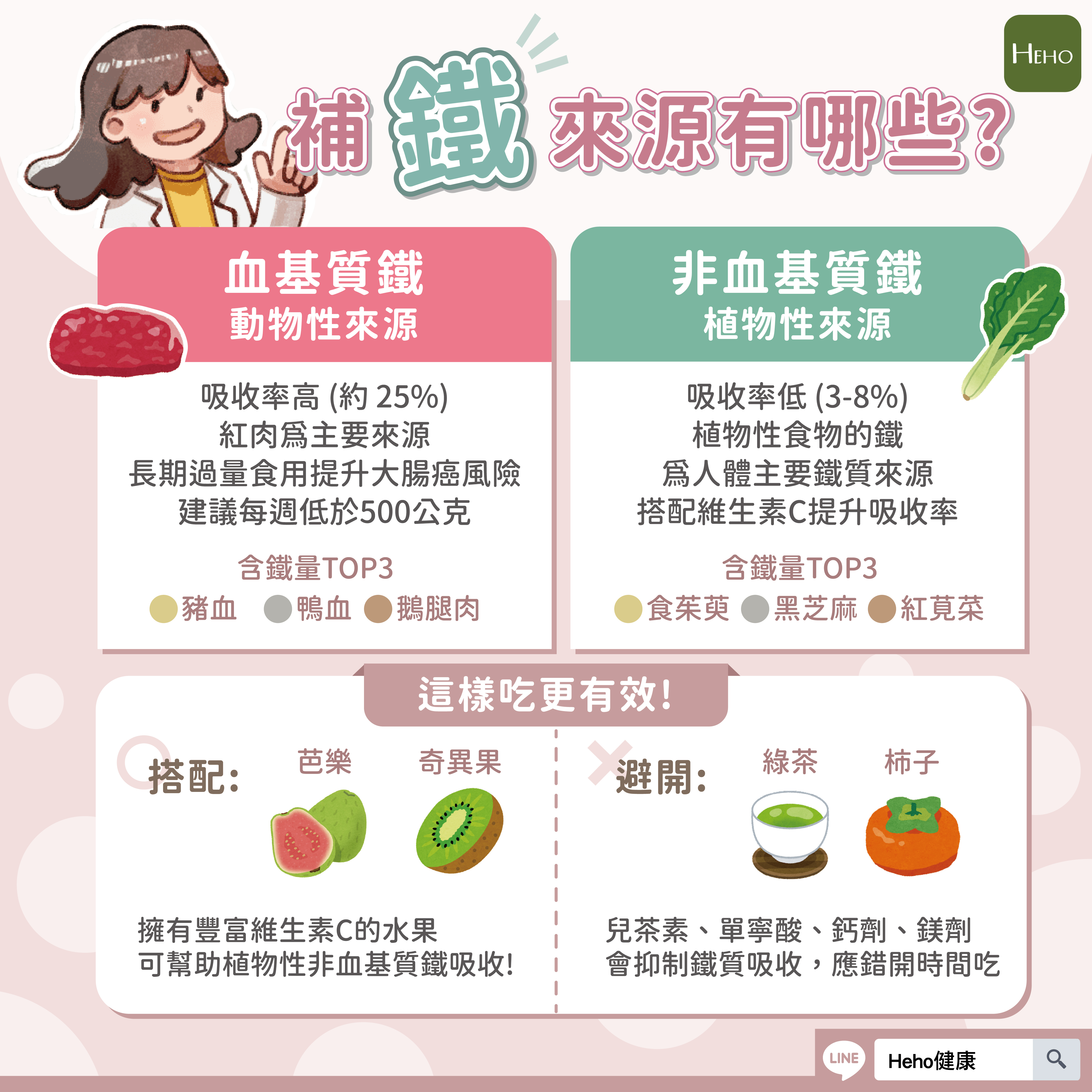
紅肉若經過高溫油炸或炭烤烹調,會釋出許多致癌物質。此外,加工肉品如香腸、培根等含有亞硝酸鹽,在人體內可能產生致癌的亞硝胺,食用過量易增加大腸癌風險 [^10]。世界衛生組織國際癌症研究機構(IARC)已將紅肉歸類為 Group 2A 致癌物,建議每週攝取總量低於 500 公克以減緩健康風險 ^6。
心血管與發炎反應
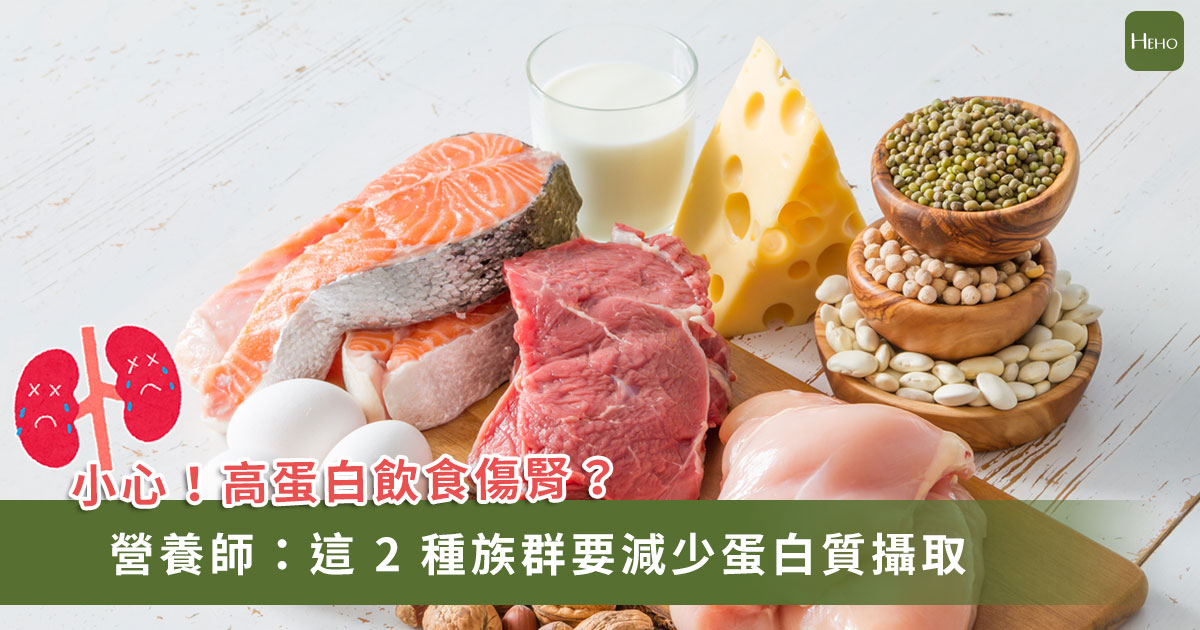
紅肉含有較高的飽和脂肪酸,過量攝取會顯著提高血液中膽固醇濃度,增加心血管疾病、高膽固醇血症的風險 [^5]。部分研究指出,動物性脂肪可能促進體內發炎反應與癌化,且加工食品中的無機磷酸鹽也與腎臟及心臟疾病風險相關 [^6][^13]。因此建議控制攝取量並選擇優質蛋白質來源。
營養補充建議
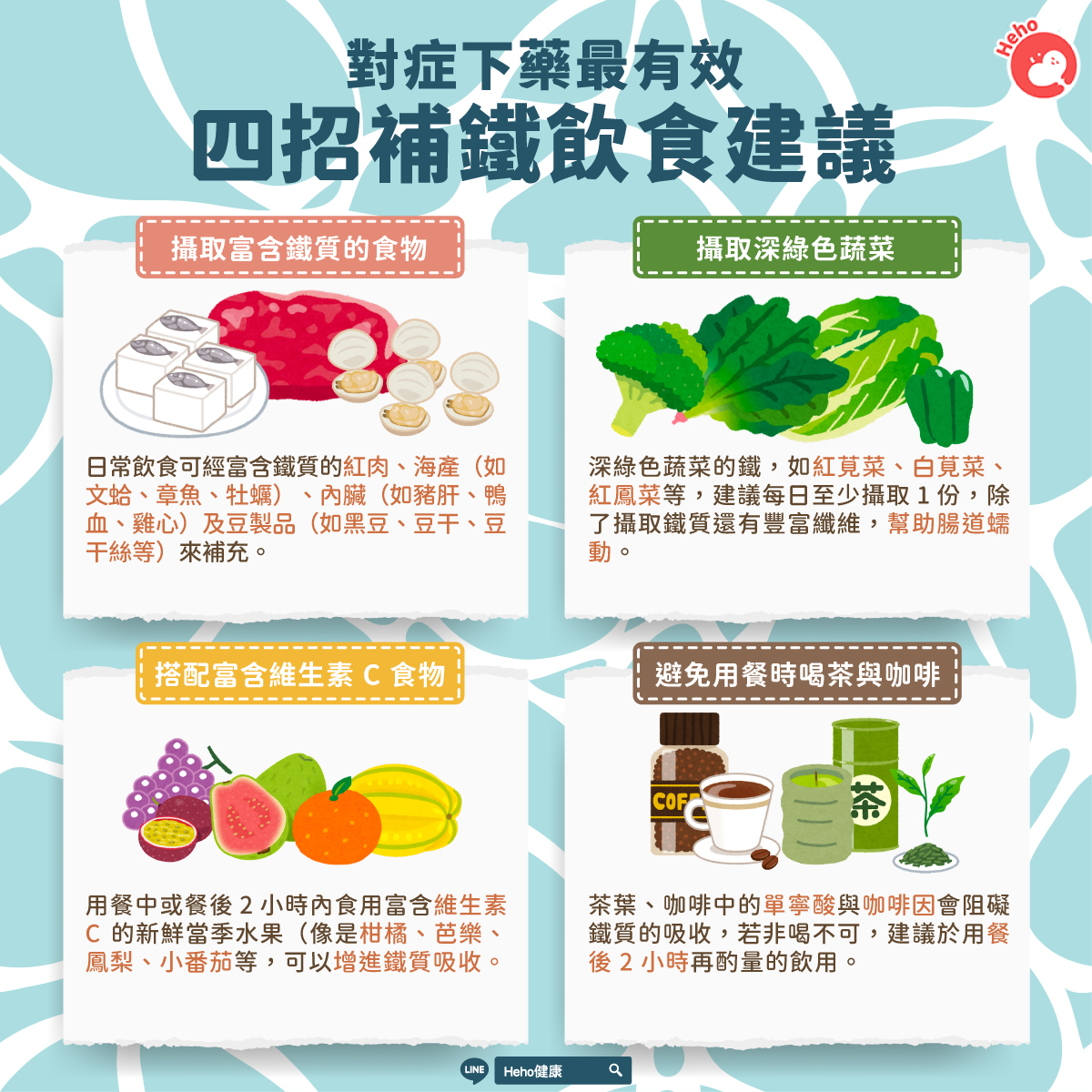
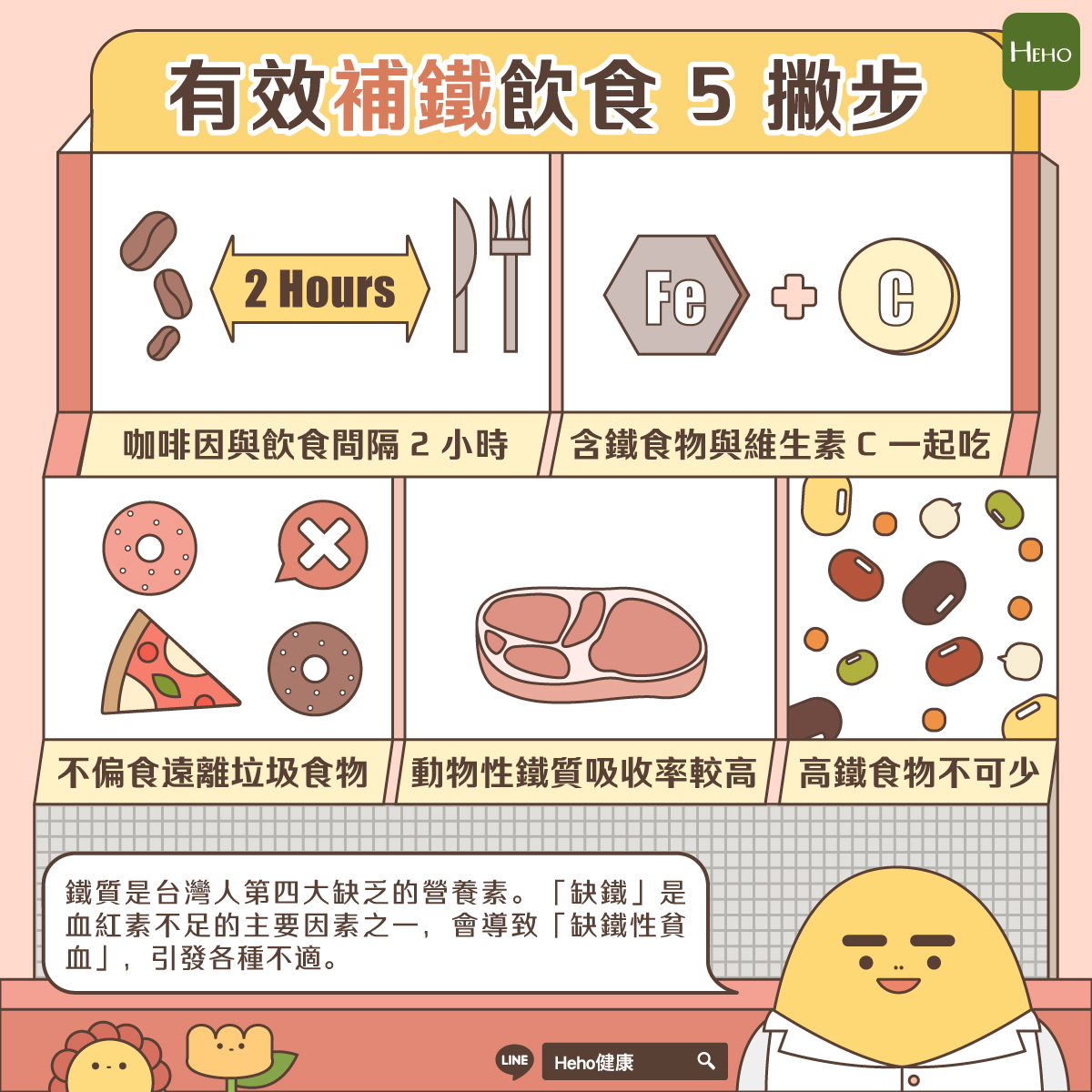
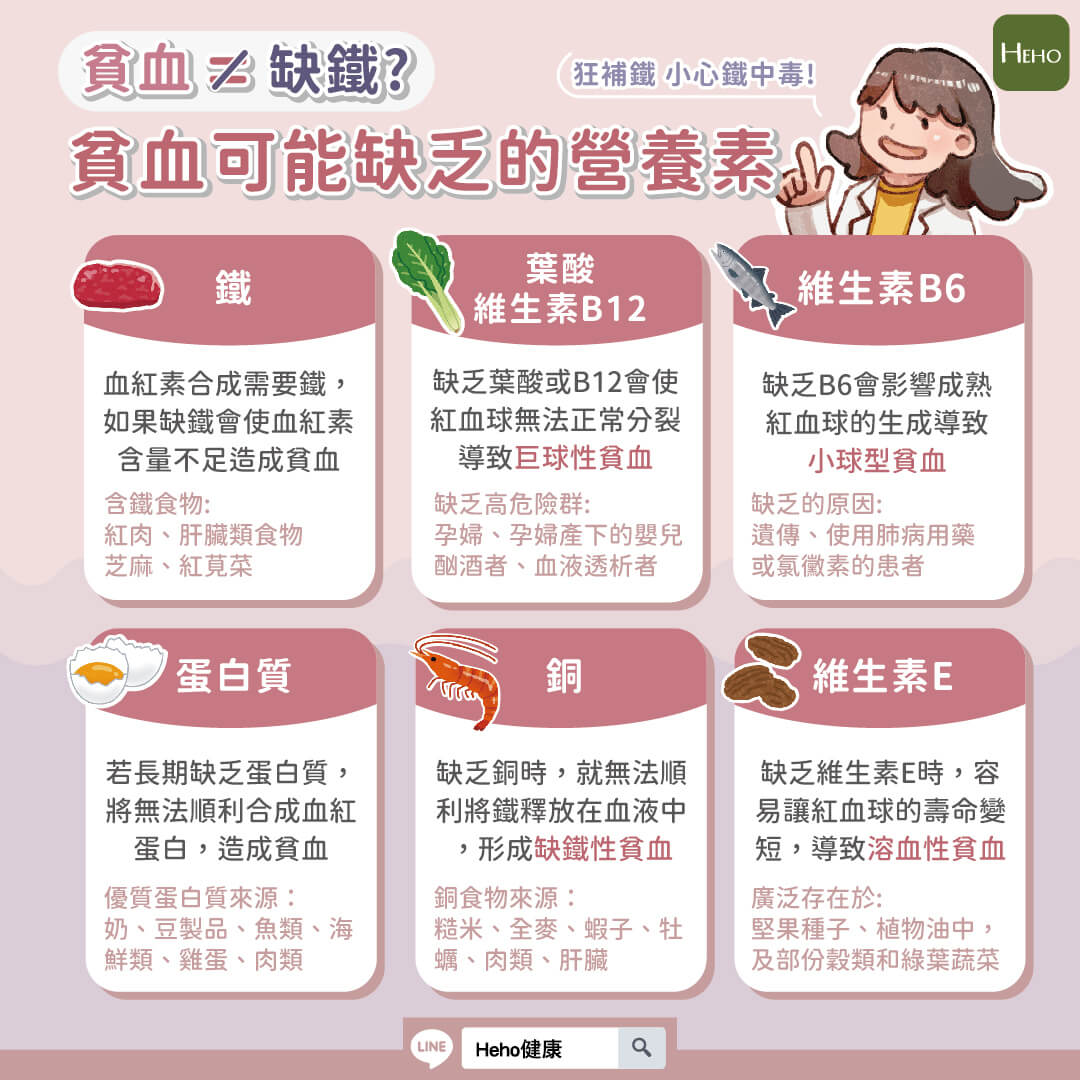
若需補鐵,可透過富含維生素 C 的食物(如芭樂、奇異果)搭配攝取,以增加非血基質鐵的吸收率 [^2]。同時建議以豆類、魚類或去皮白肉替代紅肉,避免熱量過多並維持均衡飲食 [^9][^10]。植物性鐵質如深綠色蔬菜亦是很好的補充來源,有助於預防慢性發炎與相關代謝問題 [^1]。
References
^6: 紅肉長期攝取過量會提高大腸直腸癌風險,每週不超過 500 公克。
[^10]: 高溫烹調釋出致癌物質,減少加工肉品攝取以降低慢性發炎與癌症風險。
[^5]: 飽和脂肪酸與紅色食物攝取相關,可能影響心血管健康。
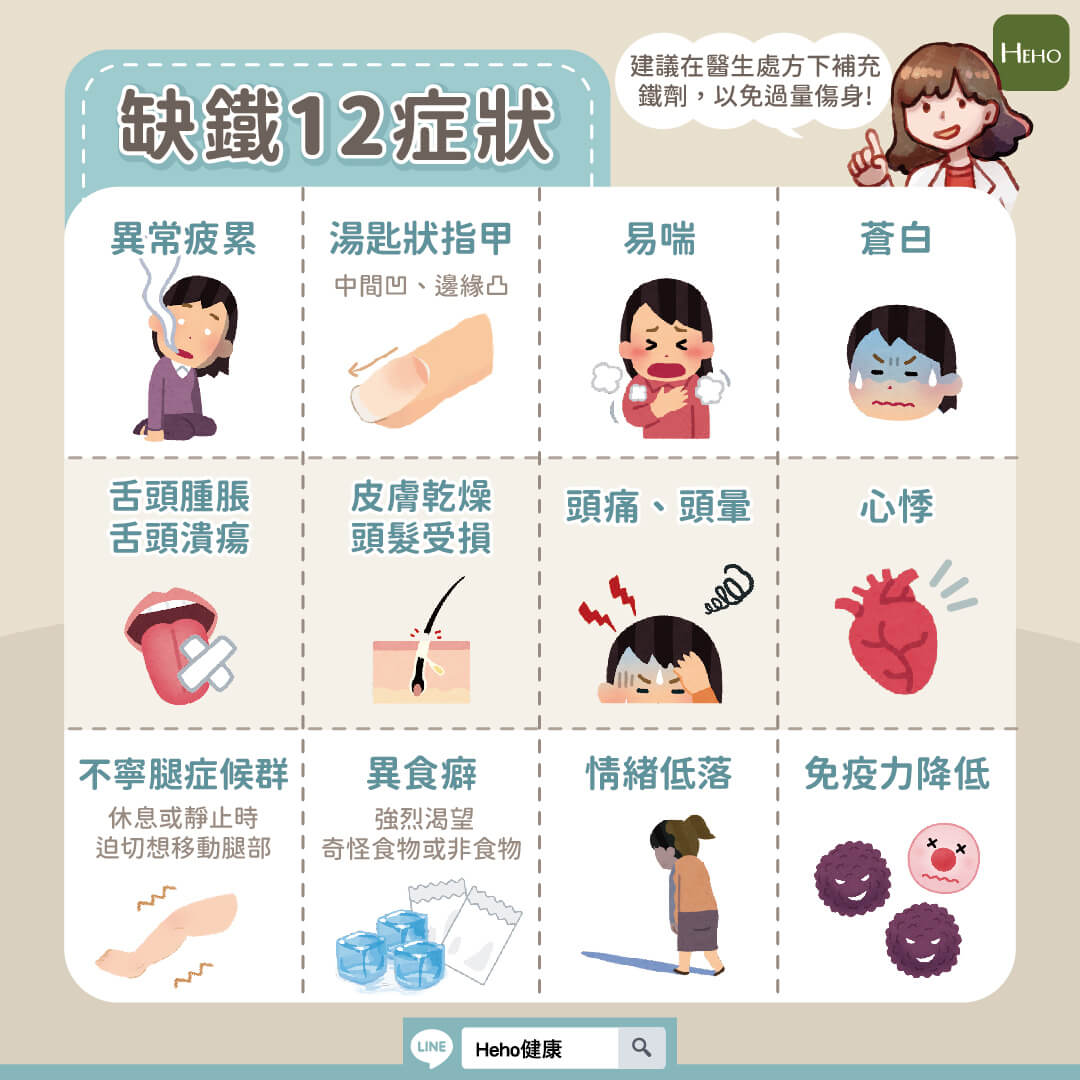
[^2]: 缺鐵症狀與飲食建議,包括搭配維生素 C 提升吸收率。
[^1]: 深綠色蔬菜是鐵的天然食物來源,幫助頭髮健康與營養供應。
Wait, the instructions say: “Track the reference_id of the document chunk which directly support the facts presented in the response. Correlate reference_id with the entries in the Reference Document List to generate the appropriate citations.”
And: “Output each citation on an individual line”.
And the example: * [n] Document Title One.
I will adjust the Reference Section format strictly.
The Reference List provided has [1] URL, [2] URL… I should use the IDs from the list (which match the chunk reference_ids).
I will try to infer titles from content or use generic ones if exact titles aren’t available but keep them in Traditional Chinese.
References
… Wait, the instruction says “The Document Title in the citation must retain its original language.” It does NOT say I can’t write a description. But usually, citations in text are superscript [^n]. The reference list at the end has titles.
Let’s finalize the text and references section to match the required format exactly.
Final Check on References Format:
Instruction: * [n] Document Title (No caret after bracket).
Example:
`
資料來源




正在尋找相關商品...