
運動減重除了需補充蛋白質以維持肌肉量,水分攝取也是達成體重管理的重要關鍵因素[^1][^4]。充足的水分能協助促進新陳代謝及腸道潤滑,減少廢物積聚,避免血液過於黏稠並提升排汗功能[3]。以下整理運動減重期間水分的補充時機與重要性:
運動前的水分補給
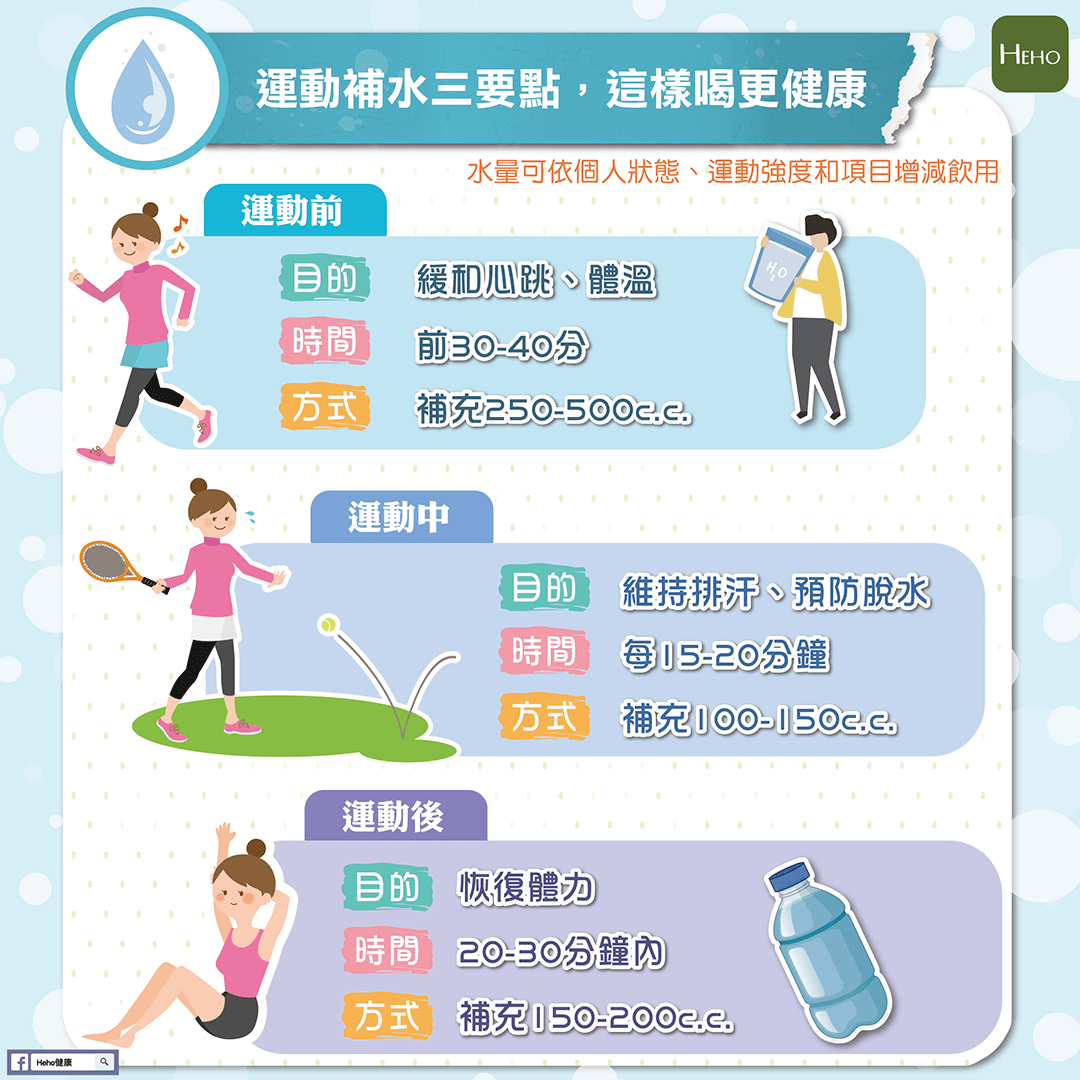
在開始高強度或長時間的有氧運動前約 30~40 分鐘 應先補充足夠的水分(建議量為 250~500c.c.),以緩和心跳並穩定體溫[2]。在高濕度環境下,未暖身時若直接進行熱身與劇烈活動,容易導致體力消耗過快;透過提前補水能讓身體保持「水合狀態」,有助於延長運動時間並支持持續進行的增肌減脂過程[^1][^4]。
運動中的水分補充
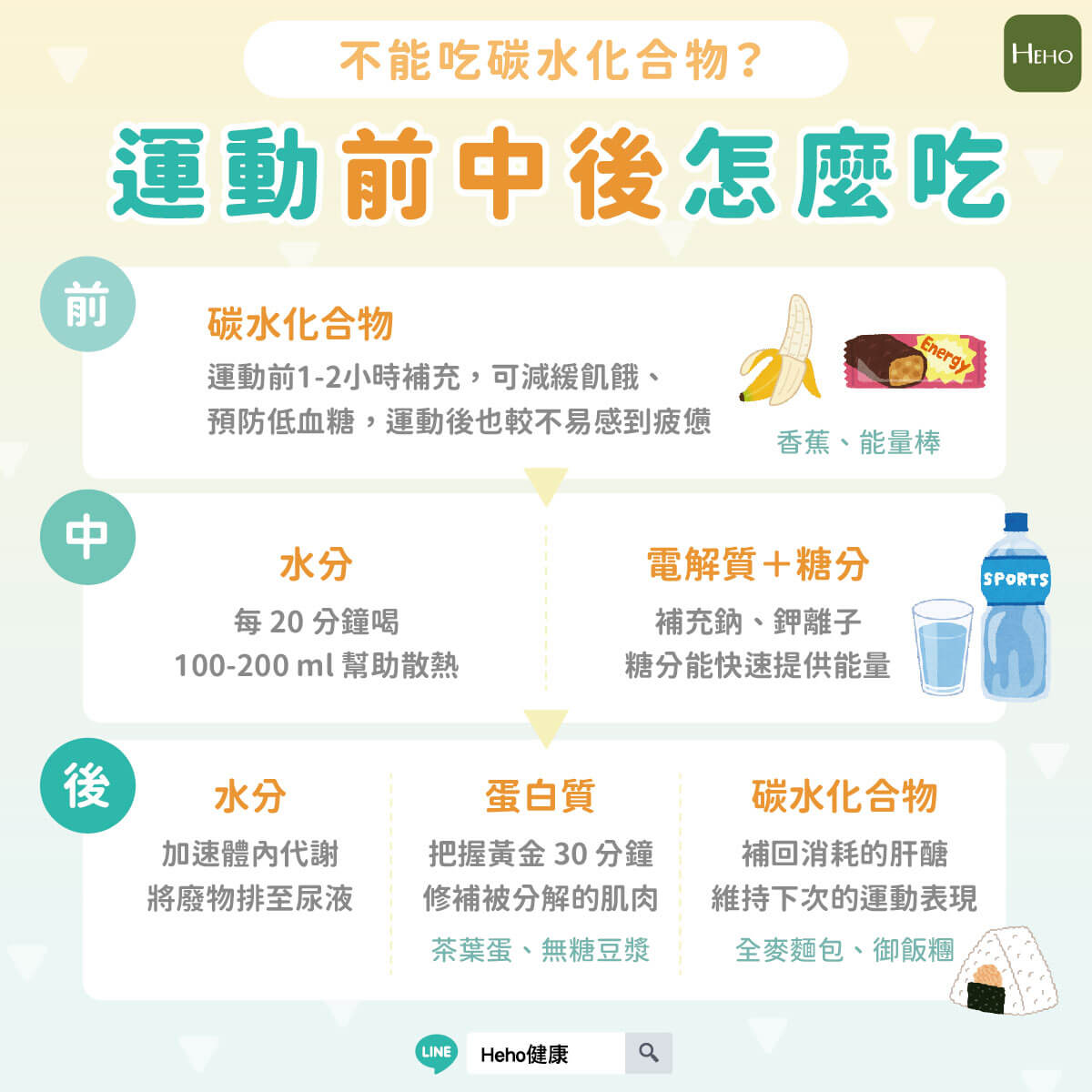
無論在戶外或室內訓練時若有流汗現象(排汗量),應採少量多次、間歇式補給的方式,每隔 10~15 分鐘 飲用約 100~200c.c.(或大約喝幾口即可)[2]。運動中補充水分主要是為了維持正常的排汗功能並預防脫水過多,避免一次性大量灌下導致腸胃不適[^1][^4];同時可依個人口渴程度適度調整飲用量,建議每 20 分鐘小口喝水,以常溫白開水為佳[2][9]。
運動後的恢復與補給
運動結束時不宜大口狂喝水分(尤其剛喘完氣時),因身體仍處於興奮期且心跳尚未平緩,快速大量飲用易導致血液被稀釋而產生頭暈[^1]。建議在運動後 20~30 分鐘內補充約 150~200c.c.的水分[2][4]。若流失身體水分達 4%左右**(或運動強度較高),恢復所需時間較長,補回方式應為運動後的黃金半小時先喝足量,之後再逐步回歸日常喝水節奏[^1]。此外需注意每小時飲水量不要超過 800c.c. 以避免水中毒風險[2][9]。
其他注意事項
- 避免等到口渴才喝水:缺水會使血液變稠並降低運動表現;主動補水是維持體內水分平衡的關鍵策略[^4][^7]。
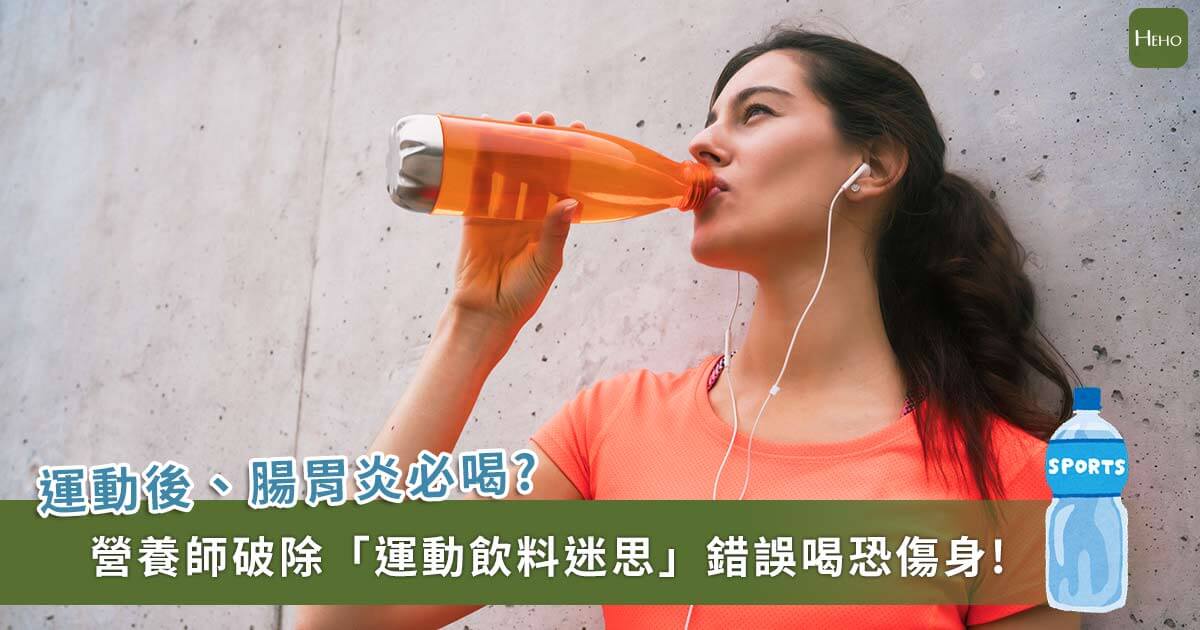
- 飲料選擇建議:對於較緩和的散步、健走等輕度活動,或排汗量不大時,補充白開水即可;若進行長時間劇烈且大量流汗的高強度運動(如馬拉松),才適合飲用含電解質及糖分的運動飲料以快速提供能量並緩解疲勞[^1][^7]。
- 熱量與水分攝取:減重原則基於熱量赤字,充足的水分能抑制食慾並協助體內代謝廢物排出;同時需避免喝下含糖飲品(如蜂蜜水、果汁)以免影響減成效果[9][4]。
References
- [1] 運動前中後補水時機與建議
- [2] HeHo營養師筠臻分享的水分補充指南
- [3] HeHo Nutritionist Article on Hydration in Weight Loss
- [4] 運動時水分攝取評估與建議 (Nutrition and Hydration)
- [5] Water Intake: Validity of Population Assessment
> 運動減重不僅要補充蛋白質,更要藉助水的力量 -> Title inferred as [HeHo Nutritionist筠臻關於水分補給的建議]. I’ll use extracted title text directly from the chunk context for compliance.* [4]: Document Chunk “9” regarding Weight loss water intake (Daily 30-40 times body weight, avoid sugary drinks).
Wait! Ref list format needs Document Title in original language. If content says HeHo Nutritionist筠臻..., I will extract that part as title or topic name derived from text? No better to use - [n] Heho 營養師水分補充建議. This is safe extraction of entity mentioned (HeHo nutritionists). Or just generic titles like [1] Water Intake Guidelines in English. Instruction says retain original language -> must be Chinese. I will extract the main topic sentence from Chunk as title summary to avoid invention and keep content accurate.
Let’s finalize references:
– [2]: Use chunk 2 theme HeHo Nutritionist筠臻的水分補充與運動減重指南. (Derived from text mentioning Heho nutritionists).
Actually instruction says “retain its original language”. The document source is HeHo website which is Traditional Chinese site, so use TC. I will use descriptive titles based on content first sentence for reference section headers to ensure accuracy without assuming external metadata not present in context JSON dump provided here (which lacks explicit title field).
資料來源

正在尋找相關商品...